
Managing multiple debts with different interest rates, payment dates, and lenders can be overwhelming and expensive. Debt consolidation offers a practical solution by combining all your debts into a single personal loan with one monthly payment, potentially simplifying your finances and helping you save money.
As a trusted finance broker, NeuLoans helps Australians navigate debt consolidation loans by connecting them with suitable lenders including Westpac, Latitude, FirstMac, and Morris Finance. We understand that every financial situation is different and work to find solutions that match your needs.
This guide explains debt consolidation in simple terms, covering how it works, when it makes sense, and what to consider before consolidating your debts in 2026.
This information is general in nature and does not constitute financial advice.
What Is Debt Consolidation?
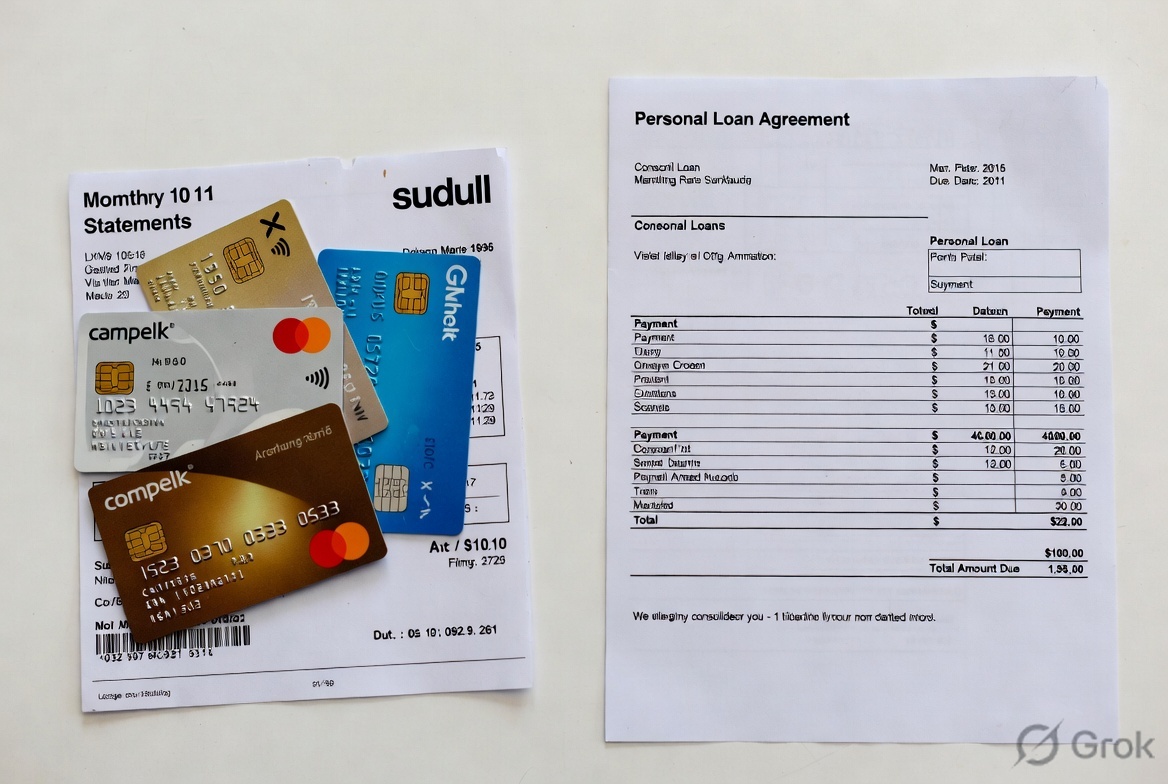
Debt consolidation means combining multiple debts into one single loan. Instead of juggling several credit cards, personal loans, and other debts with different payment dates and interest rates, you take out one new loan to pay them all off.
Common Debts People Consolidate
Debt consolidation loans typically combine:
- Credit card balances
- Personal loans
- Store cards and retail finance
- Buy now, pay later accounts
- Unpaid bills and utilities
- Small outstanding debts
The goal is to simplify repayments and potentially reduce the total interest you’re paying across all debts.
How Debt Consolidation Works
The process is straightforward:

Step 1: Calculate Total Debt
List all your current debts including:
- Credit card balances
- Personal loan amounts
- Other outstanding debts
- Total monthly repayments
- Interest rates on each debt
Step 2: Apply for Consolidation Loan
Apply for a debt consolidation loan that covers your total debt amount. The lender assesses your application based on your income, expenses, and credit history.
Step 3: Pay Off Existing Debts
Once approved, the new loan funds are used to pay off all your existing debts. Some lenders pay creditors directly; others give you the funds to manage payoffs yourself.
Step 4: Make Single Payment
You’re left with one loan and one monthly payment instead of multiple debts and payment dates.
When Does Debt Consolidation Make Sense?
Debt consolidation isn’t right for everyone, but it works well in specific situations:
Multiple High-Interest Debts
If you have several credit cards or loans with high interest rates, consolidating into one loan at a lower rate can reduce the total interest you pay.
Difficulty Managing Multiple Payments
Missing payment dates because you’re juggling multiple debts? Consolidation creates one payment date, making budgeting simpler and reducing the risk of missed payments.
Want to Pay Off Debt Faster
A structured personal loan with a fixed term means you know exactly when you’ll be debt-free, unlike revolving credit card debt that can continue indefinitely.
Improving Credit Score
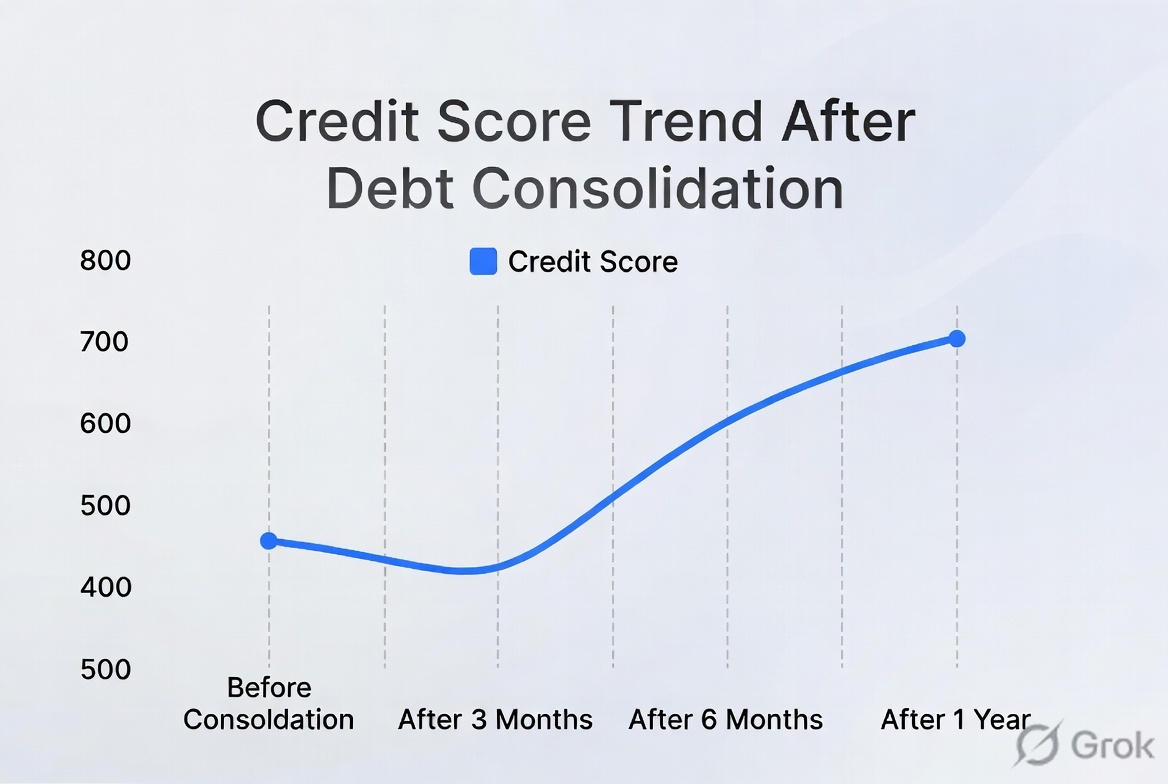
Consistently missing payments damages your credit score. Consolidation can help by simplifying payments, making it easier to pay on time and rebuild your credit.
Reducing Monthly Payments
While extending your loan term means paying more interest overall, it can reduce monthly payments if you’re struggling with cash flow. This provides breathing room in your budget.
Benefits of Debt Consolidation
Debt consolidation loans offer several advantages:

Simplified Finances
One loan, one payment date, one lender. This reduces mental stress and makes budgeting significantly easier.
Potential Interest Savings
Consolidating high-interest credit card debt into a lower-interest personal loan can save substantial money over time.
Fixed Repayment Schedule
Unlike credit cards with minimum payments, a personal loan has a fixed end date. You know exactly when you’ll be debt-free.
Improved Cash Flow
Lower monthly payments (if you extend the term) can free up cash for essential expenses or emergency savings.
Credit Score Improvement
Paying off credit cards and making consistent on-time payments on your consolidation loan helps rebuild credit over time.
Things to Consider Before Consolidating
Debt consolidation isn’t always the best solution. Consider these factors:
Total Cost May Increase
While monthly payments might decrease, extending your loan term means paying interest for longer. Calculate the total cost, not just monthly payments.
Fees and Charges
Check for:
- Early exit fees on existing debts
- Establishment fees on the new loan
- Ongoing account fees
- Break costs on fixed-rate loans
These fees can offset savings from consolidation.
Addressing Spending Habits
Consolidation doesn’t solve spending problems. If you consolidate and then accumulate new credit card debt, you’ll be worse off than before.
Secured vs Unsecured Loans
Some debt consolidation loans require security (like a car or property). Understand that defaulting on a secured loan could mean losing your asset.
Impact on Credit Applications
Closing multiple accounts after consolidation can temporarily affect your credit score, though this usually improves over time with consistent payments.
How to Choose the Right Debt Consolidation Loan
Follow these steps to select suitable debt consolidation:
- Calculate Your Total Debt
Know exactly how much you need to borrow. Include all debts you want to consolidate plus any fees for closing existing accounts.
- Compare Interest Rates
Your new loan should ideally have a lower interest rate than the average of your current debts. If not, consolidation may not save money.
- Check Loan Terms
Consider:
- Minimum and maximum loan terms
- Flexibility for extra repayments
- Penalties for early repayment
- Fixed vs variable interest rates
- Understand All Fees
Request a full fee schedule from lenders. Factor these into your comparison to understand the true cost.
- Review Your Budget
Ensure you can comfortably afford the new monthly payment. Include a buffer for unexpected expenses.
- Consider Using a Broker
A finance broker like NeuLoans can compare multiple lenders simultaneously, finding options you might not access directly and potentially securing better terms.
Common Mistakes to Avoid
Avoid these pitfalls when considering debt consolidation loans:
Focusing Only on Monthly Payments
Lower monthly payments might mean a longer loan term and more total interest paid. Always calculate the total cost of the loan.
Not Closing Paid-Off Accounts
If you consolidate credit cards but leave them open, the temptation to spend can lead to accumulating new debt on top of your consolidation loan.
Ignoring Root Causes
If overspending caused your debt, consolidation alone won’t help. Create a budget and address spending habits to prevent future debt.
Choosing Unsustainable Terms
Don’t stretch your loan term too far just to get lower payments. Find a balance between affordable monthly payments and reasonable total cost.
Not Reading Terms Carefully
Understand all loan conditions, including fees, penalties, and what happens if you miss payments.
Alternatives to Debt Consolidation
Debt consolidation isn’t the only option. Consider alternatives:
Balance Transfer Credit Cards
Some cards offer low or zero interest on transferred balances for a promotional period. This can work if you can pay off the balance before the promotional rate ends.
Debt Management Plans
Work with a financial counselor to negotiate with creditors for reduced payments or interest rates without taking out a new loan.
Budgeting and Extra Payments
If your debts are manageable, creating a strict budget and making extra payments to high-interest debts (debt snowball or avalanche method) might be more cost-effective.
Financial Hardship Assistance
If you’re struggling, contact your lenders directly. Many have hardship programs offering temporary payment reductions or freezes.
How NeuLoans Can Help with Debt Consolidation
As a finance broker, NeuLoans simplifies the debt consolidation process:

Multiple Lender Access
We work with over twenty lenders, each with different debt consolidation products. While one lender might decline, others may approve your application.
Personalized Solutions
We assess your situation and match you with lenders whose products suit your needs, whether you have excellent credit or credit challenges.
Application Support
We help prepare your application, ensuring all required documentation is complete and presented in the best possible way to lenders.
Comparison Service
Rather than applying to multiple lenders individually (which creates multiple credit inquiries), we submit one application across suitable lenders, protecting your credit score.
Honest Advice
If debt consolidation isn’t the best solution for your situation, we’ll tell you and suggest alternatives that might work better.
Common Questions About Debt Consolidation
Will consolidating debts hurt my credit score?
Initially, applying for a new loan creates a credit inquiry, and paying off multiple accounts at once can temporarily lower your score. However, consistent on-time payments on your consolidation loan typically improve your credit over time.
Can I consolidate if I have bad credit?
Yes, though you may face higher interest rates. Specialist lenders work with borrowers who have credit challenges. Using a finance broker increases approval chances by accessing lenders who specialize in bad credit situations.
How long does the consolidation process take?
With complete documentation, many personal loan applications for debt consolidation receive decisions within 24-72 hours. Funds typically arrive within 3-7 business days after approval.
Should I consolidate secured debts like car loans?
Generally, no. Secured loans often have better rates than unsecured personal loans. Only consolidate them if the new loan offers significantly better terms.
What happens if I can’t make payments on my consolidation loan?
Contact your lender immediately. Many offer hardship assistance. Missing payments affects your credit and can lead to default and legal action.
Conclusion
Debt consolidation can be a powerful tool for Australians struggling with multiple debts, offering simplified payments, potential interest savings, and a clear path to becoming debt-free. However, it’s not a magic solution – success requires choosing the right loan structure, addressing underlying spending habits, and maintaining consistent payments.
In 2026, with interest rate environments potentially changing, reviewing your debt situation and considering consolidation could be timely. The key is understanding the total cost, not just monthly payments, and ensuring consolidation genuinely improves your financial position.
NeuLoans specializes in debt consolidation loans and personal loan solutions for Australians in all financial situations. We work with major lenders including Westpac, Latitude, and FirstMac, plus specialist lenders for those with credit challenges.
Contact NeuLoans today for a free, no-obligation assessment. We’ll review your debts, explain your options, and help determine whether debt consolidation makes sense for your situation. Most applications receive responses within 48 hours.
This article contains general information only and does not constitute financial advice. NeuLoans is an Australian credit representative. Loan approval is subject to lender criteria and responsible lending assessment.